
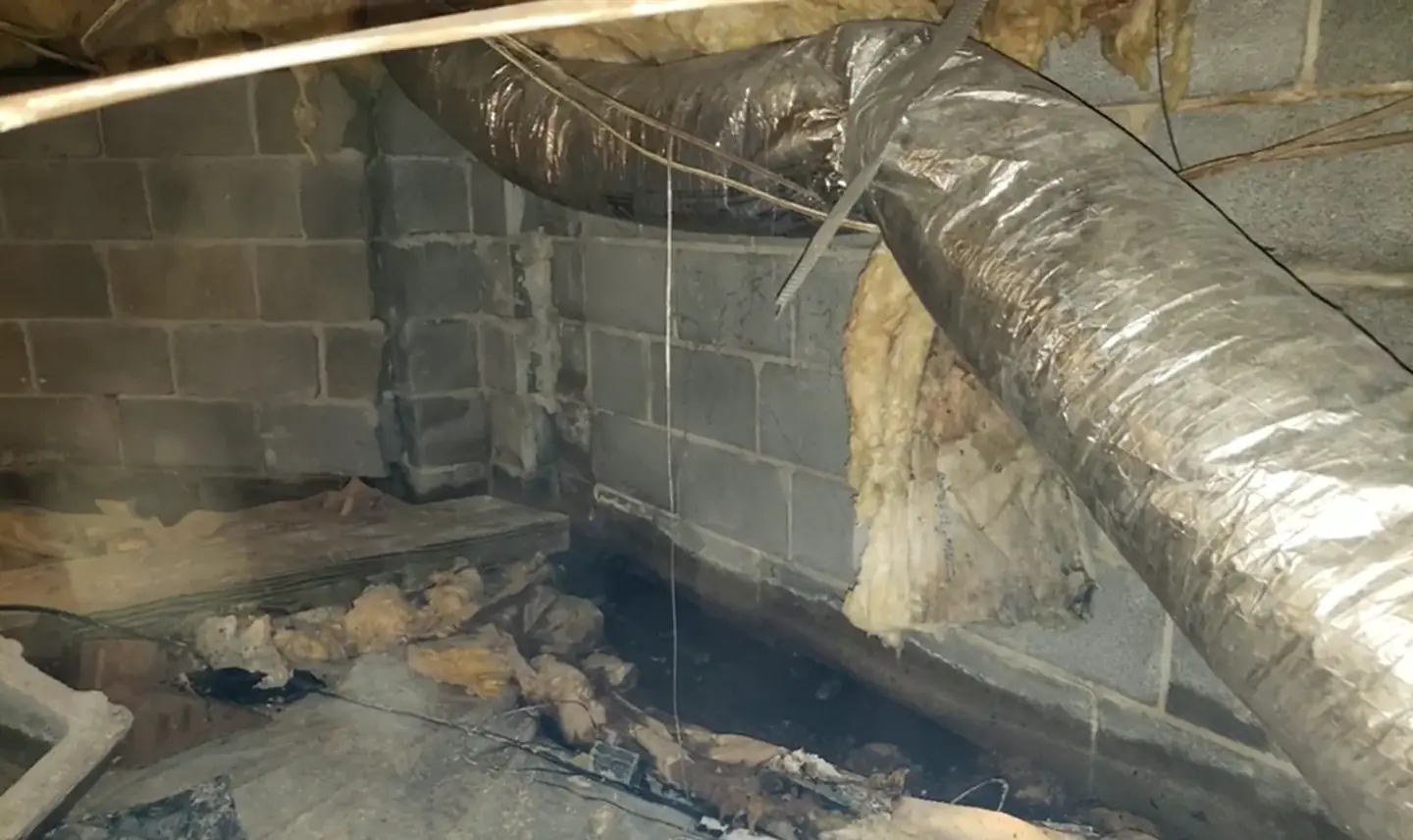
Frequently Asked Questions: Crawl Space Water Removal
Discovering water beneath your home creates immediate concerns regarding foundation safety, structural damage, mold growth, and repair costs. CrawlShield Pros has compiled this comprehensive guide to answer the most critical questions homeowners face when dealing with crawl space water intrusion, emergency pump-outs, insurance claims, and structural drying.
1. Emergency Response & Initial Actions
What should I do immediately after finding standing water in my crawl space?
Prioritize personal safety before taking any action:
- Do not enter the crawl space if electrical wires, junction boxes, or HVAC units are submerged or touching water.
- If safe to access, turn off the main electrical breaker servicing the crawl space or lower level.
- Check if an active plumbing supply pipe has burst. If so, shut off the home's main water supply valve immediately.
- Take clear photographs or video footage from outside the access hatch for insurance documentation.
- Call a certified crawl space water extraction professional at +1 (855) 616-9295 to initiate emergency pumping.
Is standing water in a crawl space an emergency?
Yes. Standing water in a crawl space is considered an urgent structural and biological emergency. In as little as 24 to 48 hours, stagnant water triggers rapid mold germination, saturates fiberglass insulation, and begins softening wooden floor joists. Because of the stack effect, airborne contaminants and musty odors from the crawl space migrate directly into the home's living areas.
Can I pump out the crawl space water myself?
Attempting DIY water removal in a crawl space carries significant hazards:
- Electrocution Risk: Submerged wiring or damaged cords present life-threatening shock hazards in standing water.
- Contaminated Water Hazards: Groundwater, storm runoff, and sewage backups are classified as Category 3 black water containing bacteria, animal feces, and chemicals that require full PPE.
- Hydrostatic Foundation Shock: Pumping water out too rapidly while the exterior soil is saturated can create unequal hydrostatic pressure, bowing or cracking masonry foundation walls.
- Inadequate Drying: A household shop vacuum or utility pump removes only surface water; it cannot extract bound moisture from wood framing, leaving the home vulnerable to dry rot.
How quickly does mold begin to grow in a flooded crawl space?
Under typical indoor temperatures, mold spores can begin growing on wet organic materials (wood framing, subflooring, paper-faced insulation) within 24 to 48 hours when relative humidity exceeds 60%. Prompt water extraction and mechanical dehumidification help reduce excess moisture that supports mold growth, though existing microbial growth may require separate evaluation or remediation.
2. Health, Air Quality & The Stack Effect
Why does my house smell musty after water enters the crawl space?
The pungent "musty crawl space odor" is caused by Microbial Volatile Organic Compounds (mVOCs). As mold and bacteria digest organic material (cellulose in wood and insulation backing) in damp crawl spaces, they release these gaseous chemical byproducts. These gases are drawn upward through subfloor gaps and air ducts directly into your living spaces.
How does crawl space water affect the air quality inside my home?
Through a building science principle known as the Stack Effect (or chimney effect), warm air naturally rises and escapes through attic vents and upper-level windows. This upward movement creates negative pressure at the base of the house, pulling replacement air from the lowest available point: the crawl space. Building science studies confirm that 40% to 50% (and up to 65% in older homes) of the air on the first floor originates in the crawl space. Whatever biological contaminants exist below are circulated into your living rooms and bedrooms.
Can water in the crawl space cause health symptoms for my family?
Yes. Exposure to elevated fungal spores, mycotoxins, and mVOCs drawn up from a damp crawl space can cause:
- Chronic sinus congestion and runny nose
- Unexplained coughing and throat irritation
- Frequent asthma attacks, especially in children and the elderly
- Eye and skin irritation
- Morning headaches and fatigue
- Elevated pest allergens from dust mites and insects that flourish in high moisture
3. Structural Risks & Property Damage
Can water in a crawl space cause floors to sag or buckle?
Yes. Wooden floor joists, subfloors, and support beams absorb moisture from standing water and high relative humidity. Over time, wood-decay fungi break down the cellular structure of structural timbers (wet rot and dry rot), reducing their load-bearing capacity by up to 50%. This structural deflection causes spongy, bouncing floors, cracked interior drywall, jamming interior doors, and warped hardwood flooring upstairs.
What is the difference between water extraction and structural drying?
- Water Extraction: The mechanical process of pumping out liquid standing water, mud, and saturated debris from the crawl space floor using submersible pumps and wet vacuums.
- Structural Drying: The scientific, psychrometric process of removing bound moisture trapped inside wooden floor joists, sills, and subflooring using commercial Low Grain Refrigerant (LGR) dehumidifiers and high-velocity axial air movers until wood moisture content drops below 16%.
4. Pricing, Insurance & Claims
How much does professional crawl space water removal cost?
The cost of professional crawl space water mitigation typically ranges between $1,500 and $5,000 for complete emergency extraction, debris cleanup, and structural drying.
Key factors influencing the total cost include:
- Water Depth and Volume: Pumping out 2 inches of clean pipe water requires less time and equipment than extracting 2 feet of storm floodwater.
- Water Contamination Category: Category 1 (clean supply water) costs less to remediate than Category 3 (black water/groundwater runoff), which requires specialized protective gear, extensive decontamination, and antimicrobial treatments.
- Crawl Space Clearance: Confined crawl spaces with less than 24 inches of vertical clearance increase labor intensity.
- Damaged Insulation Disposal: Saturated fiberglass batt insulation must be removed, bagged in 6-mil plastic, and transported to disposal facilities.
Does homeowners insurance cover crawl space water removal?
Whether insurance covers the cost depends on the cause of loss:
- Typically Covered: Sudden and accidental internal plumbing failures (e.g., a ruptured copper pipe, frozen pipe split, or burst water heater) are generally covered under standard HO-3 homeowners insurance policies, subject to your deductible.
- Typically Excluded: Rising groundwater, hydrostatic seepage through foundation walls, and external rainwater runoff are classified as flood/surface water and are excluded from standard policies. These events require a separate flood insurance policy through the National Flood Insurance Program (NFIP).
- Covered with Endorsement: Water damage resulting from a failed sump pump or municipal drain backup is covered only if your policy includes a specific Water Backup and Sump Discharge or Overflow Endorsement.
- Denied: Gradual weeping leaks or long-term rot resulting from neglected maintenance are routinely denied by insurance carriers.
How do I document the damage for my insurance company?
- Take high-resolution photos and videos of the standing water, submerged materials, and the source of the leak before any work begins.
- Keep the damaged section of pipe or plumbing fixture for the adjuster to inspect.
- Obtain a professional moisture mapping report and line-item mitigation estimate from your certified restoration provider.
- Notify your insurance carrier promptly to open a claim number.
5. Equipment, Timelines & Prevention
What specialized equipment is used to dry a crawl space?
Because crawl spaces are cramped and colder than living areas, standard household tools cannot dry the structure:
- Submersible Trash Pumps: Industrial cast-iron pumps that pass small stones, mud, and debris without jamming.
- Low-Profile Axial Air Movers: Flat commercial blowers designed to slide under low joists and blow high-velocity laminar air horizontally across damp timbers.
- Low Grain Refrigerant (LGR) Dehumidifiers: High-efficiency units that pull moisture vapor out of saturated air even at lower temperatures down to 45 degrees Fahrenheit.
- HEPA 500 Air Scrubbers: 3-stage filtration systems with activated carbon that capture mold spores, dust, and mVOC odors during cleanup.
- Thermal Infrared Cameras & Pin Moisture Meters: Non-destructive diagnostic tools used to locate hidden moisture pockets and verify dry standards.
How long does it take for a flooded crawl space to dry completely?
With industrial LGR dehumidifiers and high-velocity air movers operating under appropriate containment, drying time often ranges from 3 to 7 days, depending on water volume, saturation depth, ventilation, and ambient temperature. Leaving a crawl space to air-dry unassisted can prolong damp conditions and increase the likelihood of material deterioration and mold growth.
Can water return after it has been pumped out?
Yes. If the underlying cause (groundwater intrusion, poor surface grading, broken downspouts, or lack of a functional sump pump) is not corrected, future storms will introduce new water. Once the active emergency is mitigated, CrawlShield Pros recommends evaluating permanent defenses such as interior French drains, sump pump basins with battery backups, and heavy-duty 10-mil to 20-mil vapor retarders.
Have Additional Questions? Speak With an Expert Today
Our emergency specialists are available around the clock to assess your crawl space water concerns and arrange immediate service:
- 24/7 Toll-Free Hotline: +1 (855) 616-9295
- Schedule an Inspection: Contact Us Online
- Review Our Methodology: The 7-Phase Restoration Process
- Explore Services: Crawl Space Water Removal Services
- Find Your City: Locations Directory Across USA