Identifying the water problem
Understanding whether the accumulation is related to rainfall, groundwater, plumbing leaks, or another source.
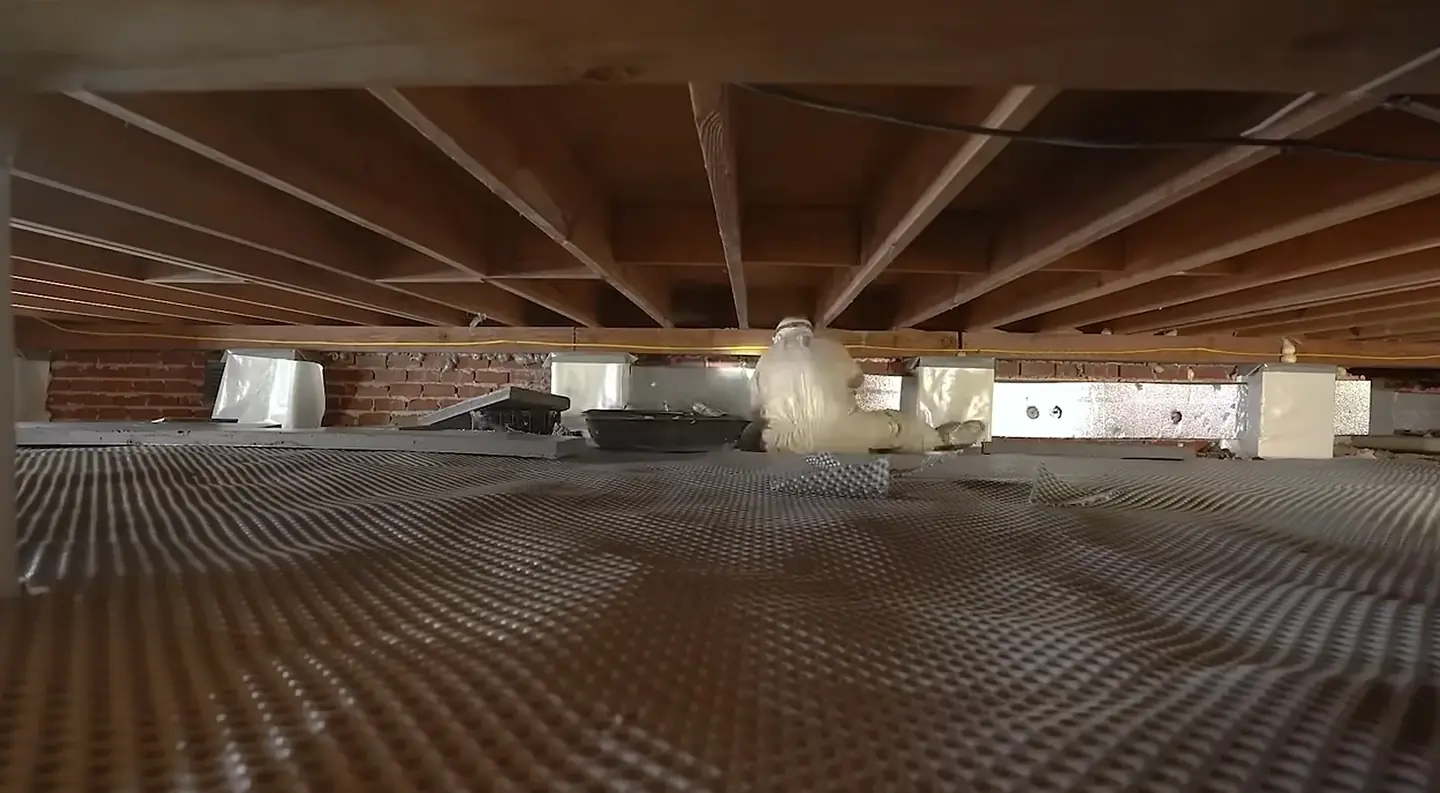
CrawlShield Pros specializes exclusively in Crawl Space Water Removal, helping homeowners address standing water, crawl space flooding, and unexpected water accumulation beneath their homes. Whether water has entered after heavy rainfall, groundwater intrusion, a plumbing leak, or another source, understanding the problem is the first step toward addressing it properly. Our service approach focuses on evaluating the affected crawl space, identifying visible water intrusion concerns, selecting appropriate extraction methods, and removing accumulated water safely and effectively. We also address related cleanup requirements, including accumulated mud, sediment, and affected debris, depending on the conditions and agreed scope of work. Every crawl space presents different challenges, from restricted access and uneven ground to varying water depths and potential contamination. That is why the appropriate removal process should be based on the actual conditions rather than a one-size-fits-all solution. CrawlShield Pros helps homeowners understand their water removal options and find relevant service assistance in supported locations Across USA.
Water accumulating beneath a home should never be overlooked. Even when the water is not visible from inside the property, standing water in a crawl space can contribute to persistent moisture, unpleasant odors, damaged insulation, and deterioration of affected building materials.
At CrawlShield Pros, our entire focus is Crawl Space Water Removal. We understand that homeowners need more than someone to pump out visible water. They need to understand where the water came from, what areas have been affected, and whether additional extraction or cleanup is necessary.
Our specialist approach centers on the complete water removal process, including:
Whether you are dealing with a flooded crawl space after a storm or water that has gradually accumulated beneath your home, CrawlShield Pros provides focused information and service options to help you take the next step.
A flooded crawl space can create several challenges for homeowners. Water may collect in low-lying areas, spread across a dirt floor, enter through foundation openings, or accumulate because of a plumbing leak or drainage-related problem.
Removing that water requires an approach that considers the source, depth, distribution, accessibility, and possible contamination of the accumulated water.
CrawlShield Pros focuses on helping homeowners understand the appropriate water removal process for their circumstances.
A focused approach to crawl space water problems includes:
Our objective is to keep the focus on the immediate water removal problem and help homeowners understand what is involved in addressing it properly.
Understanding whether the accumulation is related to rainfall, groundwater, plumbing leaks, or another source.
Considering water depth, crawl space clearance, access openings, and the areas where water has collected.
Determining whether submersible pumps, portable extraction equipment, or other appropriate methods are needed.
Extracting standing water from accessible areas using equipment appropriate for the conditions.
Evaluating mud, sediment, and other materials left behind after water extraction.
Checking whether visible standing water has been removed and identifying any remaining cleanup or moisture concerns.
CrawlShield Pros focuses exclusively on Crawl Space Water Removal and the activities directly involved in removing accumulated water from beneath residential properties.
Our primary service includes several related components, depending on the conditions of the crawl space and the scope of work required.
Before water is removed, it is important to understand the conditions beneath the property.
A crawl space assessment may involve examining visible standing water, identifying possible entry points, evaluating access limitations, and determining whether water is still entering the space.
The assessment helps establish an appropriate extraction approach and identify potential safety concerns, including electrical hazards and possible contamination.
Standing water extraction is the central component of crawl space water removal.
Depending on the amount and location of accumulated water, appropriate equipment may include:
The appropriate equipment depends on water depth, accessibility, the amount of water present, and the nature of the water.
When substantial amounts of water accumulate beneath a property, a pump-out process may be necessary.
Water pumping involves removing collected water from accessible areas and directing it to an appropriate discharge location.
The process should account for the pumping equipment's capacity, the volume of accumulated water, and the appropriate discharge arrangements.
Simply moving water from one location to another without proper disposal does not resolve the problem.
Unexpected flooding can leave homeowners dealing with standing water after heavy rainfall, plumbing failures, or other water intrusion events.
Emergency extraction focuses on addressing active water accumulation as promptly as safely and practically possible.
The process may involve evaluating the water source, assessing access and safety conditions, and selecting suitable extraction equipment.
Emergency and same-day availability depends on the actual service provider and the coverage available in the customer's location.
After standing water has been removed, accumulated debris and sediment may remain.
Depending on the conditions, cleanup activities may include:
The cleanup approach must account for the type of water involved. Potentially contaminated floodwater or sewage requires appropriate precautions and qualified handling.
Floodwater can enter a crawl space through several pathways, including groundwater intrusion, foundation openings, surface runoff, and plumbing failures.
Removing floodwater requires attention to both the volume of accumulated water and its possible contamination.
The extraction process should be selected according to the water conditions, available access, and safety requirements.
Removing visible standing water does not necessarily mean that all affected materials are dry.
After extraction, the crawl space may require additional evaluation to identify remaining moisture in insulation, wood framing, and other accessible materials.
Moisture assessment helps determine whether further drying or separate restoration work may be necessary.
CrawlShield Pros keeps its service focus on crawl space water removal and directly related cleanup activities rather than presenting unrelated construction or waterproofing services as part of the primary offering.
Choosing the right service provider is an important decision when water accumulates beneath your home.
Homeowners should understand the proposed extraction process, the equipment being used, the work included in the estimate, and how the affected area will be evaluated after water removal.
CrawlShield Pros is built around a specialist approach to crawl space water problems, with an emphasis on clear communication, appropriate removal methods, and an understanding of the conditions that affect each project.
Removing water from a crawl space can involve challenging working conditions, limited access, standing water, and potentially contaminated materials.
The people performing the work should understand appropriate extraction equipment, water handling procedures, crawl space access limitations, and relevant safety precautions.
Homeowners should also be able to verify applicable qualifications and experience before authorizing the work.
CrawlShield Pros emphasizes the importance of selecting appropriately qualified professionals for the conditions involved in each project.
Every crawl space water removal project is different.
The total cost can depend on the volume of standing water, water depth, crawl space accessibility, extraction requirements, and whether additional cleanup is necessary.
We believe homeowners should understand the proposed work before making a decision.
A clear estimate should explain the included extraction work, any cleanup requirements, possible additional charges, and services that fall outside the original scope.
Crawl space water problems require attention to the specific conditions of each property.
Having access to an appropriate service provider within the relevant coverage area can make it easier for homeowners to arrange an assessment and understand their available options.
CrawlShield Pros focuses on connecting homeowners with relevant service options in locations where coverage has been confirmed.
Service availability, scheduling, and the responsible service provider should be confirmed before an appointment is arranged.
Water removal should be performed with attention to the condition of the crawl space, the appropriate use of extraction equipment, and the safe handling of affected materials.
A properly planned project should establish the work required, account for potential hazards, and evaluate the results after extraction.
Homeowners should receive a clear explanation of what has been removed, what remains, and whether additional work is recommended.
Not every water removal service approaches crawl space flooding in the same way.
Some providers offer general water damage restoration, while others primarily concentrate on encapsulation, drainage installation, or broader foundation services.
CrawlShield Pros takes a narrower approach by concentrating its website, service information, and customer resources on Crawl Space Water Removal.
This specialist positioning allows us to keep attention on the specific concerns homeowners face when water collects beneath their homes.
Our goal is to make the process of addressing crawl space water problems clearer and easier to understand.
Our primary focus is removing accumulated water from crawl spaces rather than presenting a wide range of unrelated home improvement services.
Water extraction should be considered alongside an understanding of how water entered the crawl space. Rainfall, groundwater, plumbing leaks, and foundation openings can require different approaches.
Different crawl spaces require different equipment and removal methods. Water depth, accessibility, and the amount of accumulated water influence the appropriate approach.
Removing standing water may leave behind sediment, mud, and other affected debris. These conditions should be considered when determining the complete removal scope.
Homeowners should understand what water extraction includes, whether cleanup is covered, and whether additional drying or restoration is a separate requirement.
We aim to help homeowners understand crawl space water problems, the extraction process, and the important considerations involved in selecting a suitable service provider.
Removing water from beneath a home requires an organized approach that considers safety, accessibility, water conditions, and the work required.
CrawlShield Pros follows a straightforward service process designed to help homeowners understand each stage.
The first step is explaining the water problem and providing basic information about the affected property.
Homeowners may be asked about:
This information helps establish the nature of the problem and determine the appropriate next steps.
The next step is evaluating the crawl space conditions.
Where access is safe and appropriate, the assessment may consider:
The findings help determine an appropriate water removal plan.
Once the scope has been established, the appropriate extraction work can begin.
Depending on the conditions, this may include:
The specific work depends on the agreed scope and the conditions encountered.
After extraction, the affected area should be evaluated to determine whether visible standing water has been removed and whether additional concerns remain.
The final evaluation may include:
Homeowners should understand the work completed and any recommendations for addressing remaining concerns.
Water can accumulate beneath a home for several reasons. Identifying the type of water problem is important because the source influences the appropriate extraction method and any additional steps that may be necessary.
Standing water is one of the most recognizable signs of a crawl space water problem.
It may collect on dirt floors, concrete surfaces, or in lower sections of the crawl space.
Possible causes include groundwater intrusion, poor drainage, foundation seepage, and plumbing leaks.
Even when the amount of water appears limited, it is important to understand whether the water is likely to accumulate further or return after removal.
Heavy rainfall can saturate surrounding soil and increase the amount of surface water moving toward a home's foundation.
When exterior grading, drainage arrangements, or foundation conditions allow water to enter, the crawl space may become flooded.
Homeowners may notice water accumulation shortly after storms or discover that the problem occurs repeatedly during wet weather.
The appropriate response involves evaluating the accumulated water, its possible entry points, and the extraction requirements.
Water can also accumulate beneath a home because of damaged supply pipes, leaking plumbing connections, or drainage-related plumbing problems.
Unlike rainfall-related flooding, plumbing leaks can continue releasing water even when outdoor weather conditions are dry.
Signs may include localized pools of water, damp soil, water near plumbing lines, or recurring accumulation in one section of the crawl space.
The source of the leak should be addressed by an appropriately qualified plumbing professional where necessary, alongside the required water removal.
CrawlShield Pros is focused on providing crawl space water removal information and connecting homeowners with relevant service options Across USA.
Crawl spaces throughout the country can experience water accumulation for different reasons. Regional rainfall patterns, soil conditions, groundwater levels, property construction, and drainage arrangements can all influence the types of water problems homeowners encounter.
Our geographic coverage is organized to help homeowners identify the locations where relevant service assistance is available.
Whether you are researching water accumulation after a storm, a plumbing leak beneath your home, or recurring crawl space flooding, you can explore our geographic service information to determine the options available in your area.
Service availability is dependent on confirmed coverage and the actual service providers operating in each market.
CrawlShield Pros organizes its geographic service information by state to help homeowners find relevant Crawl Space Water Removal options across 46 covered states.
Get direct, factual answers regarding standing water hazards, extraction equipment, drying timelines, and homeowners insurance criteria.
View Complete FAQ GuideCrawl Space Water Removal is the process of extracting accumulated standing water from beneath a residential property. Depending on the conditions, it may also involve related cleanup activities, including removing sediment, mud, and affected debris.
Water can enter through groundwater intrusion, heavy rainfall, surface runoff, plumbing leaks, foundation openings, and drainage problems. The actual cause depends on the property and surrounding conditions.
Professionals assess the water conditions, identify potential hazards, and select suitable extraction equipment. Depending on the amount and depth of water, they may use submersible pumps, portable extraction equipment, or other appropriate methods.
The time required depends on the amount of accumulated water, the crawl space's accessibility, the extraction equipment, and the conditions of the affected area. Additional cleanup or drying may require separate time beyond the initial extraction.
Not always. Flooded crawl spaces can contain electrical hazards, contaminated water, sewage, unstable materials, and restricted access conditions. Homeowners should avoid entering unsafe spaces and seek qualified assistance when hazards may be present.
No. Water extraction removes accumulated liquid water, but moisture can remain in insulation, wood framing, soil, and other building materials. Additional assessment and drying may be necessary depending on the conditions.
Removing standing water and addressing wet materials can help reduce conditions that support mold growth. However, water extraction alone does not guarantee mold prevention. Remaining moisture and affected materials must also be evaluated.
This depends on the agreed service scope. Some projects include removal of mud, sediment, and accessible water-related debris, while more extensive material removal or contaminated-water cleanup may require additional services.
Avoid entering the flooded area if there may be electrical or contamination hazards. If safe to do so, address obvious external water sources such as plumbing leaks through appropriately qualified professionals. Arrange an assessment of the accumulated water and its likely entry points so the appropriate extraction process can be determined.
The price depends on water volume, depth, accessibility, extraction requirements, potential contamination, and any additional cleanup. A property-specific assessment is the most reliable way to understand the expected cost.
Coverage depends on the cause of the water intrusion and the terms of the insurance policy. Sudden plumbing-related damage, groundwater seepage, and external flooding may be treated differently. Homeowners should consult their insurance provider and review their policy before assuming coverage.
Start by identifying providers that specifically handle crawl space water extraction and cleanup. Check their actual service coverage, qualifications, insurance, proposed work, and pricing. You can also explore the available geographic coverage information through CrawlShield Pros.
Standing water beneath your home deserves attention, whether it appeared after heavy rainfall, groundwater intrusion, or an unexpected plumbing leak.
CrawlShield Pros focuses exclusively on Crawl Space Water Removal, helping homeowners understand their water problems and find relevant service options in supported locations.
From initial water assessment and extraction to pump-out and related cleanup, understanding the appropriate process can help you make a more informed decision about your property.
Need help with a crawl space water problem?
Get in touch to discuss:
Our goal is to make it easier to understand the water removal process and identify the appropriate next step.